
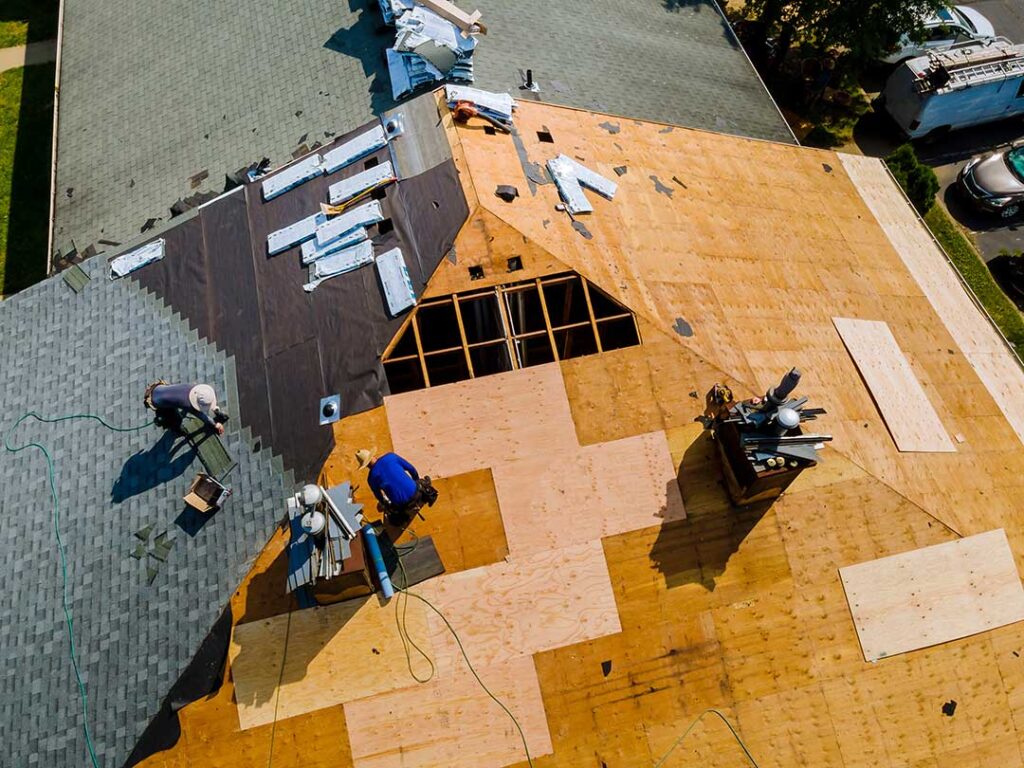
Can Your Roof Affect Indoor Allergens in Lewiston, NY Homes?
Many residents wonder if the condition of a roof can influence allergy symptoms inside their homes. The answer is yes; the state of roofing material, ventilation, and moisture control plays a direct role in how many allergens build up indoors. At first glance, it might seem like outdoor pollen, dust, and mold enter primarily through doors and windows. In fact, a compromised or aging roof allows more outdoor allergens and moisture into your living spaces than you might expect, particularly in an area like Lewiston, NY with its variable climate.
How Do Roof Leaks and Aging Materials Contribute to Indoor Allergens?
Roofing that has deteriorated or developed leaks allows water to seep into attic spaces and sometimes into living areas. This moisture creates ideal conditions for mold and mildew growth, which are significant sources of indoor allergens. Even small, unnoticed leaks can support mold colonies in insulation, rafters, or ceiling drywall.
Once established, mold releases spores that travel throughout the home, often undetected until allergy symptoms become noticeable. Residents may experience more sneezing, coughing, and eye irritation during damp seasons—symptoms frequently mistaken for seasonal allergies but which can be linked to hidden roof-related moisture problems.
What Roofing Issues Are Common Sources of Indoor Allergens in Lewiston?
Due to heavy winter snow, spring rains, and humid summers, roofs in Lewiston are exposed to frequent cycles of wetness and drying. This climate stress can create:
- Worn or missing shingles that allow moisture intrusion
- Ineffective flashing around chimneys or skylights, leading to slow leaks
- Clogged or poorly draining gutters causing water to back up under roofing
- Moss or algae growth, which itself can trap allergens or hold moisture against the roof surface
Homeowners should keep in mind that, in this region, even newer homes can experience moisture-related issues if roofing materials weren’t properly installed or have sustained storm damage.
Can Improved Ventilation from a New Roof Help with Allergen Levels?
Modern roofing systems are not just about shingles; they also include ventilation improvements that help control humidity and airflow in the attic and upstairs rooms. Effective ventilation:
- Reduces excess moisture, making it harder for mold and dust mites to thrive
- Lowers the risk of condensation, especially in winter when warm indoor air meets cold roof decking
- Helps exhaust airborne irritants and stale air that might otherwise recirculate back into rooms
A correctly installed new roof that incorporates updated soffit and ridge vents helps maintain a balanced attic environment, limiting allergen buildup linked to excess dampness.
How Does a New Roof Seal Out Outdoor Allergens?
Cracked, warped, or poorly sealed roofing materials create pathways for outdoor allergens—like pollen and dust—to filter into the attic and upper living spaces, especially on windy spring days. When installing a new roof, attention to detail matters:
- Tight seals around vents, chimneys, and skylights keep airborne irritants outside
- Updated underlayment and flashing provide extra barriers against both moisture and fine particles
- Replacing old, damaged sheathing eliminates hidden gaps that may escape notice during minor repairs
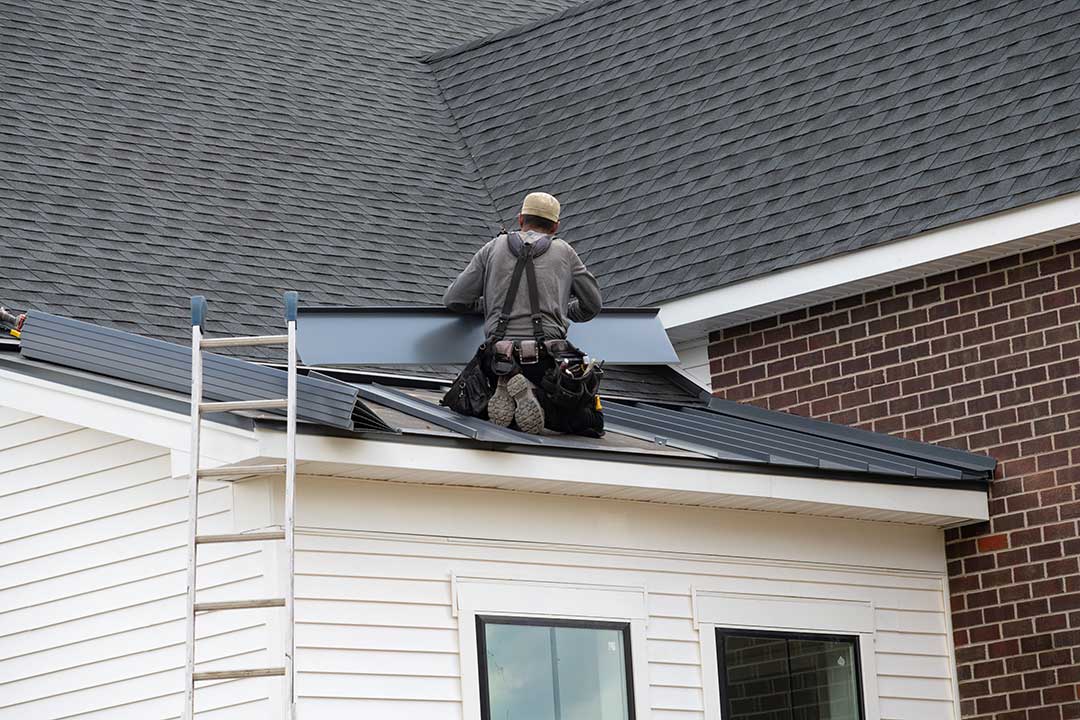
Area households occasionally notice that their allergy symptoms ease after roof replacement projects, especially if roofing contractors address all layers of the roofing system—not just the visible shingles.
Are There Overlooked Allergen Sources Connected to Old Roofs?
Aging roofs often harbor organic debris—leaf litter, moss, or decaying plant matter—that accumulates in valleys, gutters, and shaded spots. This debris holds moisture close and can rot, becoming a breeding ground for mold spores and bacteria. High winds can then blow these particles into attic ventilation openings or minor gaps, introducing irritants directly into the indoor air stream.
Another overlooked source comes from deteriorating insulation commonly found in older Lewiston homes. If a leaking roof has repeatedly soaked attic insulation, it may harbor mold or become dusty, adding to allergen loads each time air circulates through the house.
Is Roof Replacement a Practical Part of Managing Indoor Allergens?
For some residents, investing in a new roof seems unrelated to allergy control compared to measures like using HEPA air purifiers or regular cleaning. Yet, the roof is a critical part of the home’s building envelope that sets the stage for all other air quality improvements. If allergy triggers persist despite high-efficiency filtration and diligent dusting, the cause may lie in the roof structure.
Neighborhoods in Lewiston with mature trees and older housing stock are especially prone to issues where old roofs become a primary conduit for outdoor debris, moisture, and hidden leaks. Addressing these issues with a new, well-sealed roof removes a major contributor to persistent indoor allergen problems.
What Steps Should Area Residents Take to Assess the Impact of Their Roof on Allergens?
- Inspect attic spaces in late winter or early spring for signs of moisture, mold, or musty odors
- Check for water stains on ceilings, walls, or around vent pipes after heavy rain or snow melt
- Monitor allergy symptoms to see if they worsen during humid periods or after storms—a clue that leaks or moisture intrusion may be growing mold sources unseen
- Remove accumulated debris from gutters and roof surfaces every year to minimize organic allergen buildup
In some cases, older or damaged roofs are clearly linked to recurring allergy issues that do not improve with surface-level cleaning or air filtration. For households with severe allergy sufferers, periodic assessment of the attic and roof should be part of a broader home health routine, especially in a variable climate like Lewiston’s.
