
What Are the Most Frequent Reasons Roofs Leak in Lewiston, NY?
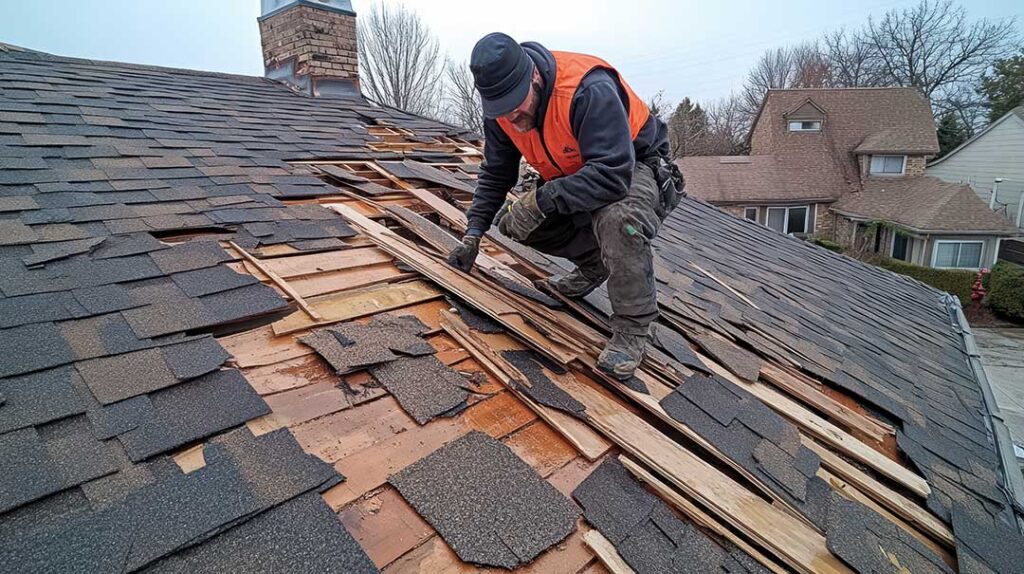
Roof leaks are a common challenge for homeowners in Lewiston, NY. Local weather patterns, housing stock age, and regional construction practices all play a role. In most cases, roof leaks happen because water finds its way through vulnerabilities that develop over time or after storms. Understanding the main culprits can help area residents spot issues early and prevent damage inside the home.
How Does Weather Affect Roof Leaks in the City?
The variable weather in Lewiston—especially seasonal freeze-thaw cycles and high winds off the Niagara River—can stress roofing materials. In winter, ice dams often form along roof edges as snow melts and refreezes. Water pools behind these icy ridges and can seep under shingles or flashing.
In addition, rapid spring thaws or heavy late-summer rainstorms can exploit small cracks, worn seals, or missing shingles. The combination of wet weather and strong winds can damage both newer and older roofs, sometimes loosening flashing or exposing nail heads.
Are There Common Weak Spots Where Leaks Start?
Leaks rarely appear randomly; rather, they tend to start in key areas more vulnerable to water intrusion:
- Roof valleys: Where two slopes meet, water naturally channels more quickly. Debris accumulation in these gullies increases risk, especially if flashing is compromised.
- Around chimneys, skylights, and vents: Any opening through the roof is a potential problem spot. If the metal flashing or sealant that protects these penetrations degrades, water can follow gravity along framing members into attic spaces.
- Eaves and gutter lines: Blocked or damaged gutters cause water to spill over and sometimes back up under roofing materials.
- Missing or damaged shingles: Wind storms sometimes lift or break shingles, leaving nail holes or open seams where rain can enter.
How Do Aging Materials Lead to Roof Problems?
Lewiston has many homes that are several decades old. Roofing materials may appear intact from the ground, even as they grow increasingly brittle, curl at the edges, or lose their protective surface granules. As asphalt shingles age, they lose flexibility, which makes cracks and gaps more likely to form. Wooden shakes can rot or split, and even seemingly indestructible metal roofs can develop rust or loose seams after years without inspection.
A misconception is that only visibly failing roofs are at risk. However, even minor granule loss or sealed-over nail holes can eventually allow water to penetrate, especially during extended wet weather.
How Do Blocked Gutters Contribute to Leaks?
Gutters and downspouts are the first line of defense to move water safely away from exterior walls and foundations. In Lewiston’s leafy neighborhoods, clogged gutters are a frequent issue—especially in the fall when leaves and twigs accumulate quickly. Blocked gutters lead to water pooling on the roof or spilling onto siding, increasing the risk of leaks near eaves and causing eventual deterioration of fascia boards and roof decking. Residents sometimes overlook gutter maintenance, not realizing that water can wick back under roof edges and into attic spaces when drainage fails.
Why Is Flashing So Important for a Dry Roof?
Flashing is thin metal installed around roof features like chimneys, dormers, valleys, and vents to prevent water seepage. Over time, flashing can become dislodged, corrode, or develop tiny gaps where sections overlap or meet the roofing. Temperature swings and freeze-thaw action in Lewiston can exacerbate movement, causing old caulking or sealants to crack. Even professional-grade flashing won't last forever without periodic checks.
One overlooked issue is improperly installed or poorly maintained step flashing along walls or adjoining roof slopes. Houses with additions, porches, or complex rooflines may be especially prone to flashing-related leaks.
Are Ice Dams a Unique Concern in Lewiston?
With cold, snowy winters, ice dams are a seasonal hazard in the city. They typically develop when warm air from inside the home causes uneven melting on the roof, sending water down to colder eaves where it re-freezes. Water trapped behind an ice ridge slides up under shingles and often drips into attic insulation, ceiling drywall, or wall cavities.
Common misconceptions include assuming that a well-insulated attic is safe from ice dams. In reality, even minor insulation gaps or air leaks around attic hatches and light fixtures can let enough warmth escape to start the process. Proper attic ventilation and sealing can reduce, but not completely eliminate, this risk.
How Do Small Roof Details Cause Big Problems?
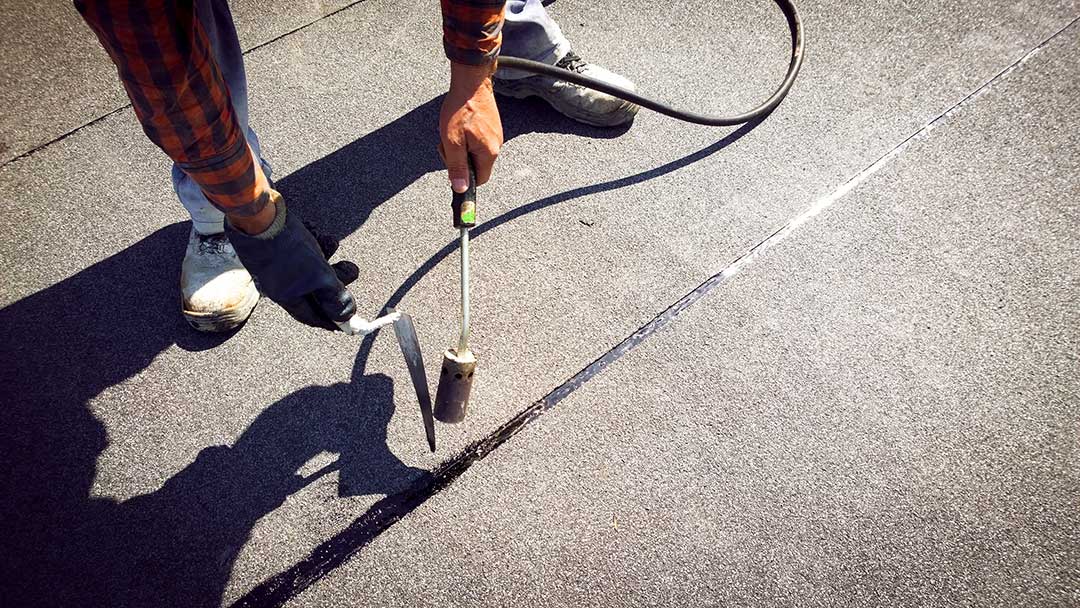
Even tiny details like nail heads left exposed or old caulking around flashing can become entry points for water. Homeowners are sometimes surprised to learn that leaks may travel several feet along rafters before appearing as ceiling stains far from the actual source.
Common overlooked factors include:
- Birds or rodents dislodging shingles or vent covers
- Tree branches scraping shingles, wearing off protective granules
- Moss or lichen growth holding moisture against the surface
Such seemingly minor issues become larger over time, especially in the city’s humid summers or during the freeze-thaw stress of winter and spring.
What Should Homeowners Check if They Suspect a Leak?
When residents notice water stains, musty odors, or visible drips, the following areas are often the most revealing:
- Attic spaces directly under valleys, chimneys, or skylights
- The underside of roof decking for dark or damp spots after a storm
- Interior walls or ceilings near exterior walls—leaks often appear here even if the entry point is higher up the roof
Routine seasonal checks, especially after heavy wind, rain, or snow melt, can reveal small issues before they escalate.
