
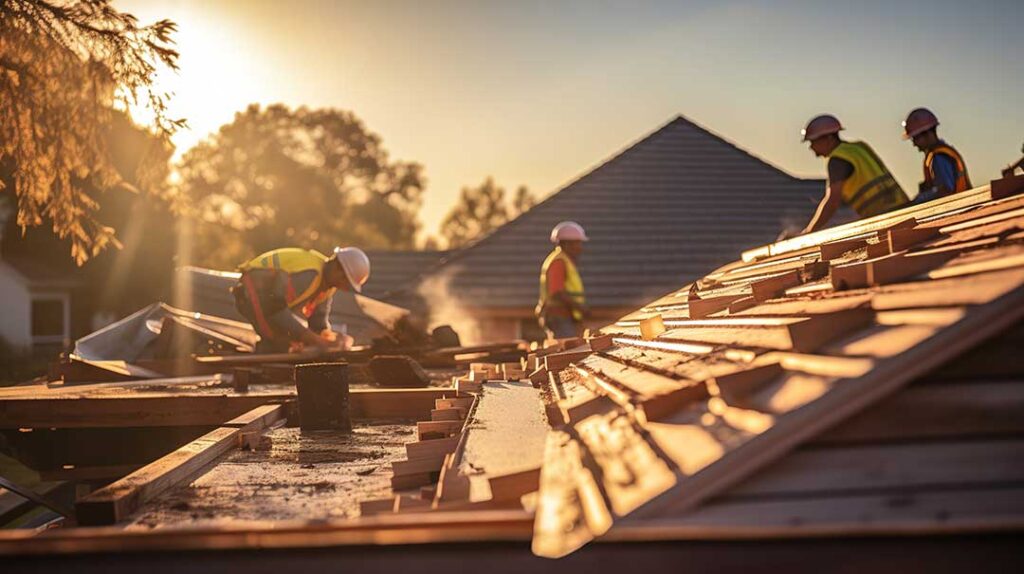
A roof lasts longer when water drains properly, attic moisture stays controlled, and small defects are corrected before they spread. In Lewiston, NY, seasonal temperature swings, snow, ice, wind, rain, and falling leaves can all affect roofing materials over time.
Roof maintenance does not mean trying to prevent every sign of aging. The goal is to reduce avoidable damage and identify problems while repairs are still limited in scope.
What shortens a roof’s life?
The most common causes of premature roof wear are moisture, poor ventilation, physical damage, and delayed maintenance. A roof can appear serviceable from the ground while hidden problems develop around flashing, roof edges, valleys, or attic insulation.
Frequent trouble sources include:
- Repeated freeze-thaw cycles that open small cracks
- Ice buildup along the lower roof edge
- Clogged or poorly draining gutters
- Missing, lifted, or damaged shingles
- Moss, algae, and organic debris holding moisture against the roof
- Inadequate attic ventilation
- Improperly sealed pipe, vent, chimney, or skylight openings
- Branches rubbing against the roof during windy weather
Age also matters, but an older roof is not automatically failing. A roof with good drainage and regular inspections may perform better than a newer roof exposed to constant moisture or mechanical damage.
How often should a roof be inspected?
Most homes benefit from a visual roof check at least twice a year: once in spring and again in early fall. An additional inspection is sensible after a major windstorm, heavy snowfall, or a period of severe weather.
A ground-level inspection can identify obvious concerns without creating a fall hazard. Look for:
- Shingles scattered in the yard or caught in gutters
- Dark streaks, exposed underlayment, or bare patches
- Sagging roof lines
- Damaged metal around vents, chimneys, and other penetrations
- Gutter sections pulling away from the roof edge
- Water stains on attic framing or ceilings
Walking on a roof is not necessary for routine observation. Roofing surfaces can be slippery, brittle, or weakened in places that are not visible from above. Steep slopes and icy conditions create additional risks.
Why do clean gutters help a roof last longer?
Gutters protect the roof system by carrying water away from the roof edge and walls. When leaves, twigs, and sediment block the flow, water can back up beneath shingles, soak fascia boards, and contribute to ice formation during freezing weather.
Gutters should be checked in late spring, after leaves have accumulated, and before winter. Downspouts also need attention. Water should discharge far enough away from the foundation to prevent repeated saturation near the house.
A gutter that overflows in only one location may indicate more than a simple clog. The section could have an improper slope, a damaged joint, or a drainage point that cannot handle the amount of water reaching it.
How can ice dams be reduced?
Ice dams form when heat escapes into the attic and melts snow on the warmer upper portions of a roof. The water then refreezes near colder roof edges, where it can obstruct drainage. As more snow melts, water may move beneath shingles and into the roof structure.
The most effective long-term approach is to keep the roof surface and attic closer to the same temperature. That generally involves:
- Adequate insulation at the attic floor
- Continuous airflow through intake and exhaust vents
- Sealing air leaks around light fixtures, wiring, ducts, and attic access panels
- Keeping bathroom and kitchen exhaust vents directed outdoors rather than into the attic
Removing snow from a roof can be hazardous and may damage shingles if done aggressively. Roof raking from the ground may help in some situations, but heavy ice, steep slopes, and active leaking require extra caution.
Does attic ventilation really affect roof life?
Yes. Attic ventilation helps control heat and moisture, both of which can damage roofing materials and wood framing. Excess heat may accelerate shingle aging, while moisture can lead to condensation, mold growth, rusted fasteners, and weakened roof decking.
Ventilation works best as a balanced system. Exhaust vents alone cannot always solve a moisture problem if there is not enough intake airflow. Likewise, adding vents without addressing air leaks may allow warm, damp household air to continue entering the attic.
Signs of attic moisture include:
- Frost or water droplets on roof sheathing during cold weather
- Musty odors
- Damp insulation
- Rust around nails or metal fasteners
- Peeling paint or ceiling stains
- Darkened wood near roof penetrations
What should homeowners do about moss, algae, and debris?
Leaves, pine needles, and branches should not be allowed to remain on the roof for long periods, especially in shaded areas. Organic material holds moisture against shingles and can conceal damage.
Moss is more concerning than ordinary discoloration because it can lift shingle edges as it grows. Scraping or pressure-washing the roof can remove protective granules and shorten its life. Cleaning methods should avoid harsh mechanical force and should account for where runoff travels.
Tree maintenance also helps. Branches that touch the roof can abrade shingles, deposit debris, and provide access for animals. Dead limbs near the house should be addressed before high winds or heavy snow make them a hazard.
Which roof problems need prompt attention?
Some defects can be monitored briefly, but active water entry and structural changes should not be ignored. Prompt attention is warranted for:
- Water stains that are growing or appearing after rainfall
- A visibly sagging roof deck or roof line
- Large areas of missing or lifted shingles
- Exposed underlayment or roof decking
- Damaged flashing around penetrations
- Persistent leaks near chimneys, vents, or valleys
- Ice buildup accompanied by interior dripping
- Signs that attic framing or insulation has become wet
A small ceiling stain does not always show the exact location of the roof defect. Water can travel along rafters, decking, insulation, or framing before entering the living space.
Can roof repairs extend the life of an aging roof?
Limited repairs can extend useful service when the underlying roof system remains sound. Replacing a few damaged shingles, securing loose flashing, correcting drainage, or improving attic moisture control may prevent a localized problem from becoming widespread.
Repairs are less likely to provide a lasting solution when shingles are brittle across large areas, the roof deck is deteriorated, there are repeated leaks in different locations, or the roof has significant sagging. Covering visible damage without correcting the source can hide moisture and make later problems harder to detect.
Keeping records of inspections, leaks, repairs, and storm damage is useful. Patterns may reveal whether a problem is isolated or recurring.
What can residents safely check themselves?
Homeowners can safely perform many ground-level and interior checks:
- Inspect ceilings and upper walls for new stains
- Look into the attic for damp insulation or daylight through the roof deck
- Clear accessible gutter debris while using stable footing
- Trim small branches that are safely reachable
- Check that bathroom and kitchen exhaust fans are not venting into the attic
- Photograph damaged areas after storms for future comparison
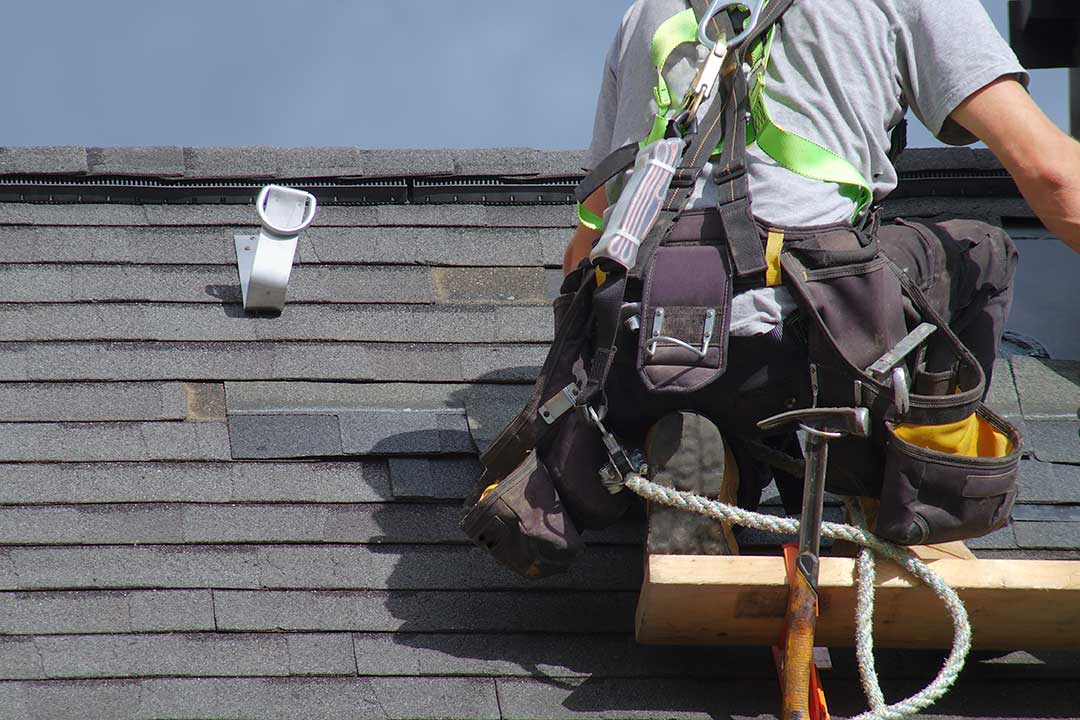
Roof surfaces, ladders, electrical hazards, unstable branches, and suspected structural damage require greater caution. Avoid climbing during rain, ice, snow, strong wind, or extreme heat. Safety concerns should take priority over routine maintenance.
A longer-lasting roof usually reflects several ordinary habits: keeping water moving away from the house, maintaining a dry and properly ventilated attic, watching for storm damage, and correcting small defects before they affect the roof deck or interior structure.
