
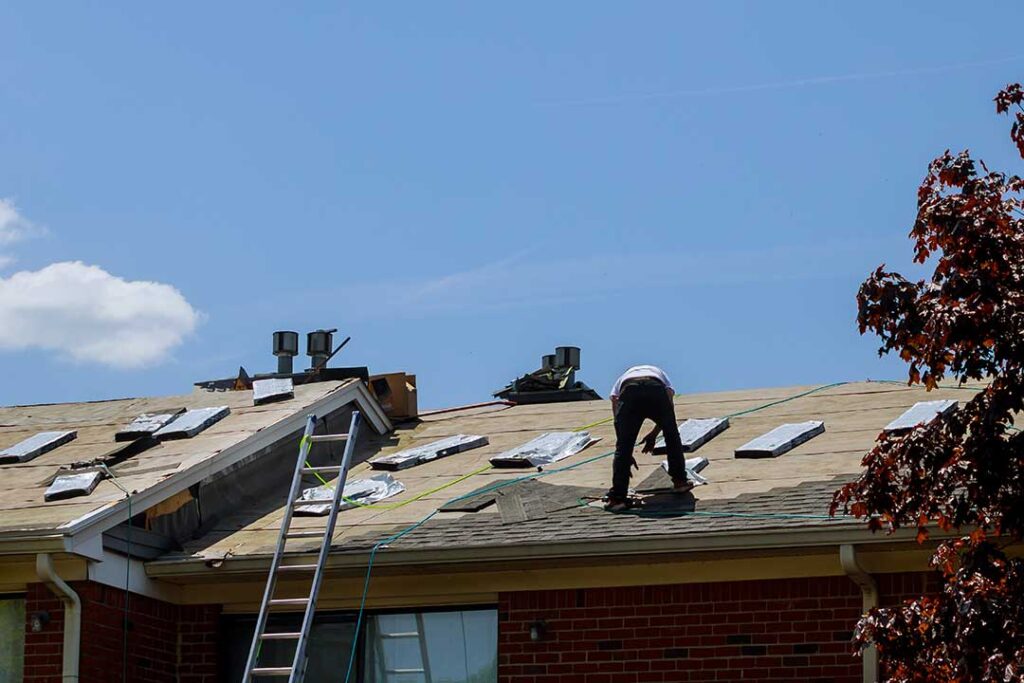
Proper roof ventilation helps control heat, moisture, and seasonal stress inside an attic. For homes in Lewiston, NY, where roofs face humid summers, cold winters, snow, wind, and repeated freeze-thaw cycles, balanced ventilation can support the durability of the roof system and improve indoor comfort.
Ventilation is not simply a matter of adding a vent to the roof. A properly designed system allows fresh air to enter through lower intake openings and warm, moist air to leave through higher exhaust openings. Both parts are needed for airflow to work as intended.
What does roof ventilation actually do?
Roof ventilation exchanges attic air with outdoor air. This movement helps reduce excess heat during warm weather and limits moisture accumulation during colder months.
A typical attic ventilation system may include:
- Intake vents near the lower edge of the roof, often at the soffits
- Exhaust vents near or along the roof ridge
- Gable vents, depending on the roof design
- Vent channels that keep insulation from blocking airflow
- Air sealing around ceiling penetrations to control indoor moisture movement
The goal is not to make the attic the same temperature as the living space. Instead, ventilation helps the attic respond more gradually to outdoor conditions and prevents trapped heat and moisture from creating avoidable problems.
Why is ventilation especially useful in a cold-weather climate?
During winter, warm indoor air can move into the attic through small gaps around light fixtures, plumbing pipes, wiring, attic hatches, and ductwork. When that warm air reaches cold roof sheathing, moisture may condense.
Over time, condensation can contribute to:
- Damp or discolored insulation
- Mold growth on wood surfaces
- Rusted fasteners and metal components
- Rot in roof sheathing or framing
- Frost buildup that later melts and leaks
- Reduced insulation performance
Ventilation helps remove moisture that enters the attic, but it does not replace air sealing. If a large amount of heated indoor air is escaping into the attic, adding more exhaust ventilation may not solve the underlying issue. Air sealing at the ceiling plane is often just as important.
In Lewiston, winter conditions may also produce ice dams when snow on a warm roof melts and refreezes near colder eaves. Ventilation alone cannot guarantee that ice dams will not form, but a properly insulated, air-sealed, and ventilated attic is less likely to develop the uneven roof temperatures that contribute to the problem.
How does ventilation protect roofing materials during summer?
Sunlight can make roof surfaces extremely hot during summer. Without adequate airflow, heat can build up in the attic and warm the underside of the roof deck.
High attic temperatures may:
- Increase stress on shingles and roof underlayment
- Dry out or weaken wood components over time
- Make upper-floor rooms feel warmer
- Increase the workload on air-conditioning equipment
- Accelerate deterioration of materials that are already aging
Ventilation does not eliminate heat from the roof. Its role is to release accumulated hot air and reduce the amount of heat retained in the attic. The effect is usually most helpful when ventilation is combined with sufficient insulation and well-sealed air barriers.
What does balanced ventilation mean?
Balanced ventilation means the system has enough intake airflow to support the amount of exhaust airflow. Exhaust vents cannot operate efficiently if there is no clear path for replacement air to enter.
For example, a roof may have several exhaust vents but blocked soffit vents. In that situation, the exhaust openings may pull air from unintended locations, such as gable vents, attic bypasses, or gaps around insulation. This can reduce performance and may draw humid air into the attic from the house.
A balanced system generally follows these principles:
- Intake openings are distributed along the lower roof edges.
- Exhaust openings are located higher on the roof.
- Insulation does not cover or obstruct intake paths.
- Air can move continuously from the intake area toward the exhaust area.
- The total vent area is appropriate for the attic size and roof design.
Exact ventilation requirements depend on roof configuration, insulation levels, local building requirements, and the type of vents used. A roof with limited soffit space may require a different approach from a simple gable-roof design.
Can too much ventilation cause problems?
More vents do not automatically mean better ventilation. Poorly planned openings can create weak airflow patterns, allow wind-driven rain or snow to enter, or interfere with the way the roof was designed to shed water.
Certain powered attic fans can also create concerns if the ceiling below is not well air-sealed. A fan may depressurize the attic and pull conditioned air from the living space through gaps. That can increase energy loss and move more moisture into the attic.
Wind, roof shape, nearby trees, and the position of intake and exhaust vents also affect performance. Ventilation should be evaluated as a complete system rather than by counting visible vents from the ground.
What signs suggest an attic may have a ventilation or moisture problem?
Some warning signs are visible inside the attic, while others appear on the roof or in upper rooms. Useful clues include:
- Frost on the underside of roof sheathing during cold weather
- Damp insulation or musty attic odors
- Dark staining, mold-like growth, or surface discoloration on wood
- Rust around nails, fasteners, or metal ducts
- Peeling paint or excess condensation on upper-level ceilings
- Shingles that appear unusually curled, brittle, or deteriorated
- Ice buildup concentrated along roof edges
- Attic temperatures that remain extremely high on sunny days
These signs do not always identify the exact cause. Moisture may come from roof leaks, bathroom exhaust discharging into the attic, plumbing leaks, inadequate air sealing, or indoor humidity. A careful inspection should distinguish between ventilation problems and other sources of moisture.
Are bathroom and kitchen exhaust fans part of roof ventilation?
No. Bathroom and kitchen exhaust fans serve the living space and should discharge outdoors through properly installed ducts. They should not terminate inside the attic, under insulation, or near an unprotected roof opening.
An exhaust fan that releases warm, moist air into the attic can create significant condensation during cold weather. The duct should be insulated where appropriate, routed as directly as possible, and terminated with a suitable exterior cap that limits water and pest entry.
Clothes dryers also require dedicated exterior venting. They should never discharge into an attic or crawlspace because lint and moisture can accumulate quickly.
What should homeowners check before changing attic ventilation?
Before adding or closing vents, homeowners should consider the entire roof assembly. Important questions include:
- Are soffit or other intake openings present and unobstructed?
- Is attic insulation covering the intake path?
- Are bathroom, kitchen, or dryer ducts vented outdoors?
- Is the attic floor reasonably air-sealed?
- Are there signs of roof leakage separate from condensation?
- Does the roof have a cathedral ceiling or limited attic space?
- Are snow, wind, or rain entering through existing openings?
- Do planned changes comply with applicable building requirements?
Roof ventilation works best as part of a coordinated system that includes sound roofing materials, adequate insulation, controlled indoor humidity, and proper exterior drainage. In older homes, improvements may need to account for previous repairs, additions, enclosed soffits, or roof sections built at different times.
For local households, seasonal observation is useful. Check the attic during both a cold spell and a hot, sunny period if possible. Comparing conditions across seasons can reveal whether moisture, heat, or blocked airflow is affecting the roof assembly.
