

How Does Weather Impact Roofs Throughout the Year?
Weather is one of the most important factors influencing how roofs perform and how long they last. In Lewiston, NY, local residents experience all four seasons, with weather variations that create different challenges for roofing systems. From lake-effect snow to summer thunderstorms, each season has its own effect on roofing materials and structure.
What Are the Biggest Weather Risks for Roofs in Lewiston, NY?
Homes in the area face a range of weather-related stressors that can affect roofs in both obvious and subtle ways. These include:
- Freeze-thaw cycles and ice dams
- Heavy rainfall and wind-driven storms
- Prolonged sun exposure and heat swings
- Sudden temperature drops causing rapid contraction
Each of these risks can lead to different forms of wear, leaks, or damage over time, and understanding them helps area households plan regular care.
How Do Snow and Ice Affect Local Roofs?
Recurring snow and ice, especially from lake-effect storms in the colder months, can be especially tough on roofing systems. Snow accumulation increases the load on the roof structure, and the repeated melting and refreezing can lead to what’s known as ice dams—when melted snow refreezes at the roof’s edge, trapping water behind it.
This can cause:
- Water to back up under shingles, leading to leaks indoors
- Damage to gutters and downspouts when ice builds up
- Shingles to become brittle and crack after repeated freezing
Homeowners sometimes assume a roof can handle any New York winter, but ice dams and heavy snow buildup are known causes of both minor leaks and more serious structural problems locally.
How Does Wind Influence Roof Longevity?
Wind storms, especially those that accompany spring and fall squalls, bring another major risk. In the city, roofs with missing or poorly secured shingles are at the greatest risk during high wind events. Gusts can lift shingles, exposing the underlying waterproof layers and sometimes even removing parts of the roof entirely.
Wind can also drive rain under flashing or around chimneys, accelerating hidden water damage. Even if no shingles are visibly missing, wind can loosen nails or adhesive strips, increasing the possibility of leaks in the next storm.
What Role Does Rain Play in Roof Performance?
Rainfall alone does not usually harm roofs that are in good repair, but persistent moisture brought by seasonal showers presents several issues:
- Clogged gutters or downspouts can force water under the shingles
- Water seeping into small cracks can promote rot or mold growth
- Older or poorly sealed roofs may develop leaks during prolonged rain
In many area homes, roofs with valleys, large overhangs, or shallow pitches are more susceptible to slow-developing leaks after extended wet weather.
Do Sun and Heat Cause Roof Problems in Lewiston?
Though the region is better known for snow, intense sun can cause subtle roofing damage over time. Direct sunlight and hot summer temperatures cause roofing materials like asphalt shingles to expand. Later, rapid cooling (such as during evening thunderstorms) leads to contraction.
This cycling can create:
- Cracks in shingles or protective coatings
- Fading or blistering of roofing materials
- Drying and warping of wooden roof components
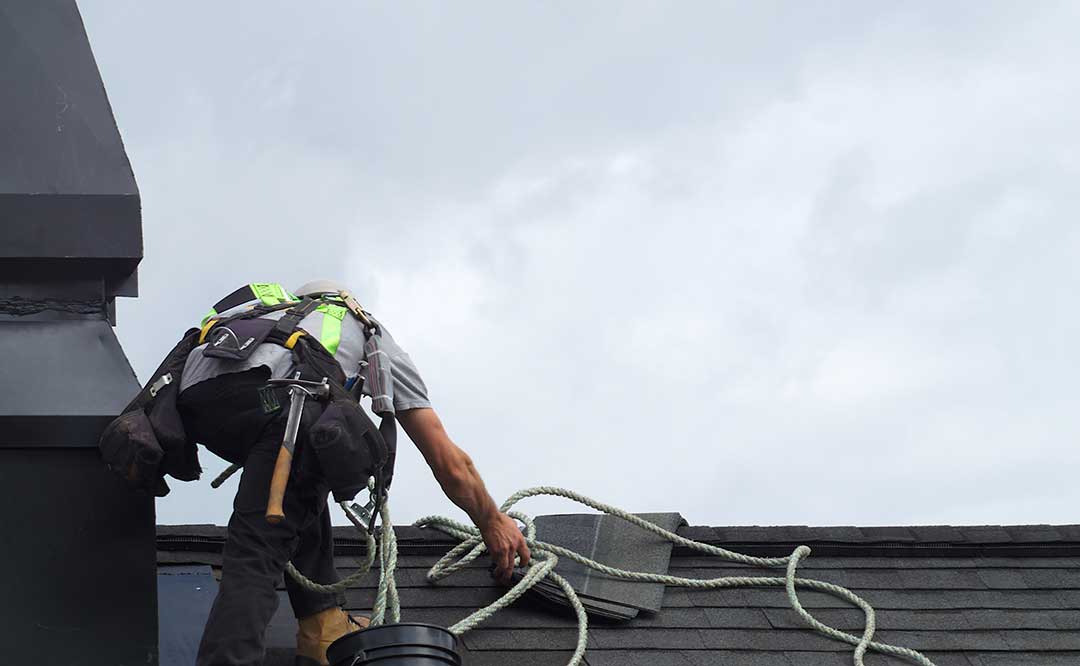
Summer heat can also accelerate deterioration if shingles are already nearing the end of their intended lifespan.
Are Sudden Temperature Changes a Problem?
Rapid swings from warm afternoons to freezing nights in spring and autumn can surprise many roofs. The process of expansion in warm sunshine, followed by sharp contraction at night, can worsen small cracks, lift flashing, or break gutter seams.
Freeze-thaw cycles are especially tough on older roofs or those with existing wear and tear. Water trapped in minor gaps expands as it freezes, forcing the gap wider over time and allowing the next thaw to seep even deeper.
Do Local Weather Patterns Affect All Roof Types Equally?
Different roofing materials react in their own ways to the local climate. Asphalt shingles, the most common in the city, are especially vulnerable to temperature swings and heavy winds. Metal roofs can handle snow loads well but may be noisier during rain or expansion. Slate and tile are long-lasting but require sturdy support to manage winter snow.
Historic houses or homes with low-pitch roofs sometimes face extra risks because of outdated materials or drainage systems not suited to modern storm patterns.
What Can Area Residents Watch for After Major Weather Events?
A quick self-inspection after severe weather can identify developing issues before they become larger problems. Look for:
- Damaged shingles or flashing, especially along edges and chimneys
- Piles of granules in gutters, which signal shingle wear
- Sagging areas or visible water staining inside the attic
- Icicles along eaves, which hint at inadequate insulation or blocked guttering
Small changes—like new stains on ceilings or missing shingle tabs—may seem minor but often signal developing vulnerabilities from Lewiston’s changing weather.
What Common Myths Exist About Roofs and Weather?
Several persistent myths can lead to misunderstandings about how weather impacts roofs:
- “A new roof is immune to leaks.” Even new roofs can suffer weather damage from high wind or improper installation.
- “More attic insulation will stop ice dams.” Insulation helps, but ventilation and air-sealing are equally important. Without proper airflow, heat escaping into the attic can still melt snow unevenly.
- “Heavy snow always means a roof is at risk.” Roofs built to local codes typically support average snow loads, but drifting or ice dams are more likely to cause trouble than the weight alone.
Local conditions, such as older roofing materials or unique house shapes, can magnify or reduce the risks in each case.
