

What Questions Should Lewiston, NY Residents Ask About Roofing Materials?
Residents often want to know which types of roofing materials hold up best in the local climate, how long roofs generally last, and what maintenance might be required. Understanding the pros and cons of each option—beyond just price—can help homeowners make choices more suited to the seasonal extremes and unique conditions in this community.
How Does Asphalt Shingle Roofing Perform in the Local Climate?
Asphalt shingles are the most common roofing material for area homes due to their affordability and widespread availability. In Lewiston, repeated freeze-thaw cycles and seasonal moisture are significant concerns.
- Strengths:
- Asphalt shingles offer straightforward installation and repairs.
- They are economical up front and come in a variety of colors to suit the style of many older and newer homes in the region.
- Local supply means replacements are typically easy to source.
- Weaknesses:
- Cold winters and rapid temperature changes can accelerate wear, especially if attic ventilation is not managed well.
- Shingle life expectancy locally is often closer to 15-20 years rather than the highest manufacturer claims.
- Vulnerable to wind uplift along the river or in more exposed parts of the city.
Are Metal Roofs a Good Fit for This Area?
Metal roofing has gained popularity for its durability, especially in regions that experience heavy snowfall and rain. For Lewiston, the material offers both benefits and trade-offs.
- Strengths:
- Excellent at shedding snow and ice, which reduces the risks associated with ice dams.
- Long lifespan, sometimes exceeding 40 years even with regular freeze-thaw cycles.
- Resistant to rot, mildew, and insect damage; appeals to homeowners seeking lower long-term maintenance.
- Drawbacks:
- Higher upfront installation cost compared to shingles.
- Noise during heavy rain or hail can be an issue in some homes unless additional underlayment is installed.
- Occasional issues with localized rust or paint fade near the river or in spots with persistent moisture.
What Should Residents Know About Wood Shakes and Shingles?
Wood roofing options, such as cedar shakes, have a specific visual appeal and suit some of the historic homes found in the community. However, wet, cold winters create special considerations.
- Practical Realities:
- Wood roofing performs best with consistent maintenance: cleaning debris, treating for moss or mold, and checking for cracked shingles.
- Without regular upkeep, wood roofs can deteriorate rapidly in areas with high humidity and temperature swings.
- Risks and Misconceptions:
- Some assume wood roofs are only susceptible to fire, but in this climate, water damage or splitting is a more frequent problem.
- Local ordinances may require fire-retardant treatments or specify certain installation standards, especially near areas with denser housing.
Can Slate or Tile Roofing Handle Local Weather Patterns?
Slate and clay or concrete tile roofs are known for longevity, often outlasting many other materials. However, these options are rare in Lewiston—mainly found on certain historic or custom homes.
- Advantages:
- Decades-long durability and resistance to rot, insects, and most severe weather.
- Natural appearance complements some of the region’s traditional architectural styles.
- Drawbacks:
- Heavier installation requires strengthening of older roof structures.
- Repairs can be costly and may require sourcing matching material from out of the area.
- Freeze-thaw cycles create risks for cracking, especially with concrete tile if not properly installed or sealed.
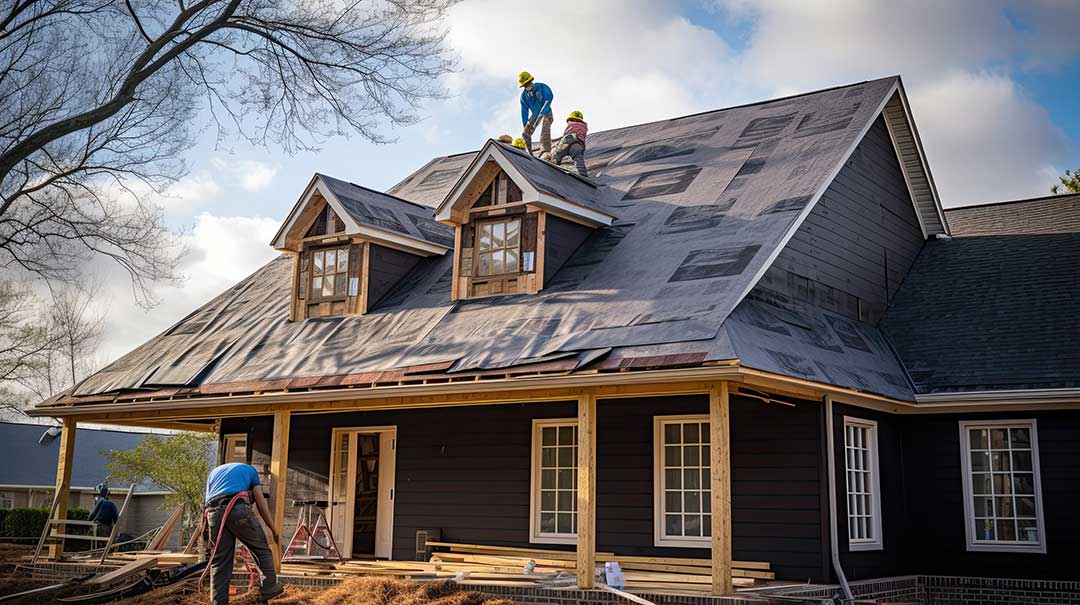
Is Synthetic Roofing (Rubber, Plastic, Composite) a Viable Option for Area Homes?
Synthetic options, ranging from rubber to composite shingles designed to mimic wood or slate, offer a modern take on traditional roofing. Their performance varies based on formulation and quality.
- Real-World Experience:
- Some products excel at handling moisture and ice, with flexibility that helps prevent cracking during temperature swings.
- Lighter weight reduces stress on older homes that might not support heavier materials.
- Potential Downsides:
- Longevity is highly dependent on the brand and system used; warranty claims may not always align with local reality.
- Materials are less traditional-looking, which may not appeal to residents concerned with matching neighborhood character.
How Do Roofing Materials Impact Heating and Cooling in Area Homes?
Material choice has an impact on home comfort, particularly with seasonal temperature changes.
- Metal and reflective synthetic surfaces sometimes help by reducing summer heat gain in attics, but in winter, proper attic insulation is more critical than roof color or material.
- Poorly ventilated attics—commonly found in older homes—can shorten the lifespan of asphalt or wood roofs, especially during snowy seasons when ice dams develop.
Residents often overlook attic ventilation and insulation as critical factors that contribute as much as shingle selection to roof performance.
Are There Local Requirements or Considerations Unique to Roofing Choices Here?
Building codes in Lewiston set specific standards for underlayment, ice dams, and wind resistance. Historic districts or developments may also have restrictions. It's common for homeowners to believe any material can be installed if it meets state code, but local rules, especially those pertaining to fire resistance or color, may be stricter.
- Always check community guidelines before planning a roof replacement.
- Roof replacements in neighborhoods with many mature trees should account for leaf debris, as constant shade or wetness can shorten the lifespan of almost any material.
