
A professional roof inspection is a structured review of the roof system, not simply a quick look at shingles from the driveway. The inspection usually covers the roof surface, drainage, flashing, attic, interior signs of moisture, and conditions around the roof that may affect its service life.
For homeowners in Lewiston, NY, inspections can be especially useful after winter weather, strong wind, heavy rain, or repeated freeze-thaw cycles. Snow, ice, changing temperatures, and spring moisture can expose weaknesses that are easy to miss from the ground.
Why would a homeowner need a roof inspection?
A roof inspection can identify developing problems before they become interior water damage or a larger repair. It may also clarify whether a roof needs routine maintenance, a targeted repair, or more extensive work.
Common reasons for an inspection include:
- Water stains on ceilings or upper walls
- Missing, cracked, curled, or loose shingles
- Granules collecting in gutters or downspouts
- A recent windstorm or heavy snow event
- An aging roof with an uncertain installation date
- Plans to buy or sell a home
- A suspected leak that appears only during certain weather
- Ice buildup or recurring winter drainage problems
A roof can still look acceptable while having damaged flashing, deteriorated underlayment, poor attic ventilation, or moisture below the roof covering. An inspection is intended to connect visible conditions with possible underlying causes.
What happens before the inspection begins?
The inspector will usually ask about the roof’s age, known leaks, previous repairs, storm exposure, and any rooms where stains or damp odors have appeared. Homeowners can make the process more useful by identifying when the problem occurs.
For example, a stain that appears only after wind-driven rain may point to a different area or condition than a stain that develops during snowmelt. Information about past repairs can also help distinguish an old, inactive mark from an active problem.
The inspector may also review available records, such as installation paperwork, repair invoices, or photographs taken before and after earlier work. These records are helpful but are not required for a visual evaluation.
Will the inspector walk on the roof?
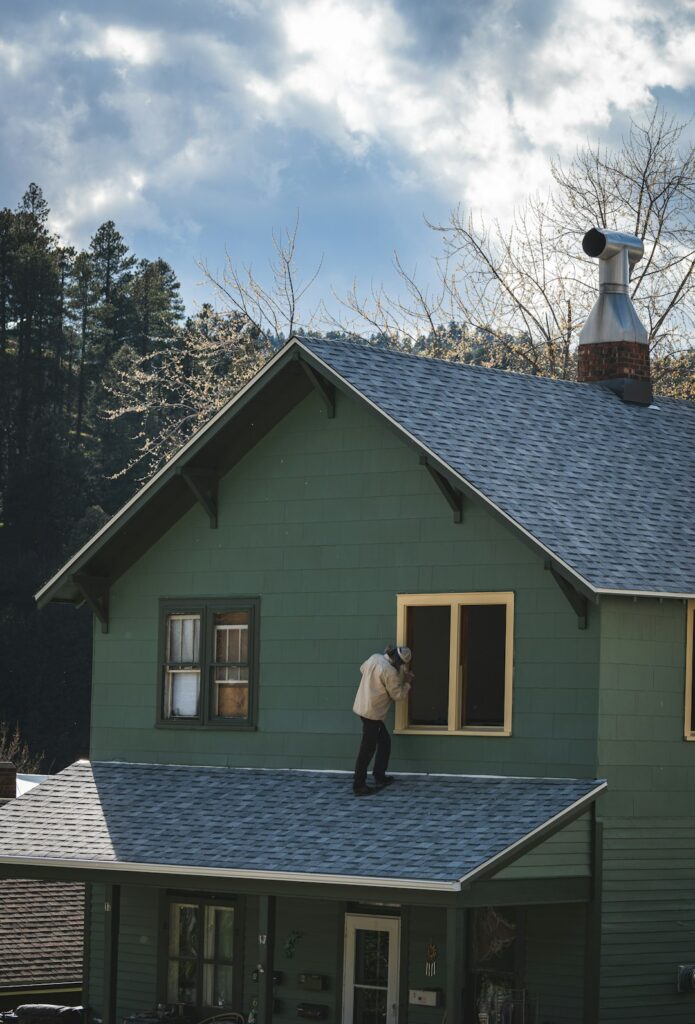
Not always. A qualified inspector decides how to examine the roof based on its slope, surface condition, weather, height, accessibility, and safety risks.
A roof may be reviewed from:
- Ground level
- Eaves and accessible edges
- A ladder
- Nearby roof sections
- Attic spaces
- Interior rooms
- Elevated camera or other inspection equipment
Walking on a roof that is wet, icy, brittle, steep, or structurally questionable can create a safety hazard or cause damage. A roof inspection should not be judged solely by whether someone physically walked across every section. The final report should explain which areas were observed and which were inaccessible.
What is checked on the exterior?
The exterior review examines the roof covering and the components that help keep water out. The inspector typically looks for patterns rather than isolated cosmetic imperfections.
The roof surface may be checked for:
- Missing, displaced, cracked, blistered, or curled shingles
- Exposed fasteners
- Worn or deteriorated roofing material
- Uneven areas or visible sagging
- Signs of wind, ice, or impact damage
- Improper patches or repairs
- Moss, algae, or organic growth that may retain moisture

Flashing receives particular attention. Flashing is installed around chimneys, roof edges, valleys, vents, skylights, walls, and other transitions. Defects in these areas are common sources of leaks because water does not flow across them in the same way it flows across an open roof slope.
The inspection also includes gutters, downspouts, drip edges, fascia, soffits, and other drainage-related components. Blocked or poorly directed drainage can contribute to staining, rot, basement moisture, and ice formation near the roof edge.
Why are the attic and interior inspected?
The attic can reveal problems that are not visible from above. An inspector may look for damp insulation, water marks, mold-like growth, rusted fasteners, damaged roof decking, daylight where it should not be visible, and signs of inadequate ventilation.
A roof leak does not always appear directly below the point where water enters. Water can travel along roof decking, rafters, insulation, or framing before reaching a ceiling. This is why an interior stain should not automatically be treated by sealing or painting the visible area.
Inside the living space, the inspector may examine ceilings, upper walls, trim, and areas around skylights or roof penetrations. A dry stain does not necessarily mean the roof is currently leaking, but it should be interpreted alongside exterior and attic findings.
How does local weather affect the inspection?
Seasonal conditions in Lewiston can influence both roof wear and the timing of an inspection. Winter snow and ice can conceal damaged materials, while spring thaw can reveal drainage problems and moisture entry. Repeated freezing and thawing may enlarge small cracks, loosen materials, or stress flashing and sealants.
Wind can lift or shift roofing components without creating an obvious opening. Heavy rain can expose weak transitions around vents, walls, and chimneys. Summer heat can make some roofing materials more brittle or reveal poor ventilation through excessive attic temperatures.
Because weather-related damage is not always immediately visible, photographs, dates, and notes about the storm or leak can help the inspector evaluate the roof more accurately.
What will the inspection report include?
A useful report separates observed conditions from assumptions. It commonly includes photographs, descriptions of the roof covering, notes about drainage and flashing, attic or interior observations, areas that could not be accessed, and recommendations for further evaluation when needed.
The report may describe conditions as:
- Routine maintenance: Cleaning, securing, or monitoring may be appropriate.
- Repair recommended: A specific defect should be corrected to reduce the chance of further damage.
- Further evaluation needed: More specialized examination may be required because a concealed area or structural concern could not be confirmed.
- Replacement consideration: The roof may be near the end of its expected service life or have widespread deterioration.
An inspection report is not the same as a repair estimate, an engineering analysis, or a guarantee that the roof will remain leak-free. It is a record of visible and reasonably accessible conditions at a particular time.
What should a homeowner do after the inspection?
Start by separating urgent water-entry or safety concerns from maintenance items. If active leaking, exposed decking, severe sagging, or damaged electrical components are present, the issue may require prompt attention.
Avoid assuming that every roof defect requires complete replacement. A single failed flashing area, loose component, or blocked drainage path may be addressed differently from widespread material deterioration. On the other hand, covering a larger problem with repeated patches can delay necessary work and make the source harder to identify.
Keep the report and photographs with other home records. Future inspections are more useful when changes can be compared over time, especially after another severe weather event or another winter season.
