

Why Is Safe Roof Cleaning Important in Lewiston, NY?
Safe roof cleaning preserves the integrity and appearance of your home while protecting residents and property from preventable hazards. In Lewiston, NY, local weather patterns—such as lake-effect snow, high humidity, and falling leaves from mature trees—can accelerate the growth of moss, algae, and debris accumulation on rooftops. Unchecked buildup can shorten roof lifespan, lead to moisture problems, and increase the risk of slips and falls during maintenance.
What Are the Main Types of Roof Debris and Growth?
Homeowners in the area often encounter:
- Moss and algae: Thrive in moist, shaded spots, especially on north-facing slopes.
- Lichen and mold: Appear as stubborn patches and may indicate underlying moisture issues.
- Leaves, pine needles, and twigs: Clog gutters and encourage the growth of damaging moss.
- Dirt and airborne particles: Settle on shingles and can hold moisture.
Identifying the debris helps choose the right cleaning method and anticipate typical seasonal challenges experienced in the community.
Can Household Cleaners Be Used for Roof Cleaning?
Mild solutions are generally safe but must be chosen carefully to avoid damaging shingles or landscaping below. Local water runoff regulations may also prohibit certain chemicals.
- Avoid harsh bleach, which can harm roofing materials and plants.
- Use gentle solutions—like diluted dish soap or a 50/50 mix of water and white vinegar—for spot-cleaning moss and algae on most roofs.
- Check if roof materials are compatible with chosen cleaners (asphalt, wood, or metal require different care).
How Can Roof Cleaning Be Done Safely Without Climbing?
Cleaning from the ground reduces fall risks, especially for steep or high roofs common in Lewiston’s residential neighborhoods.
- Use a telescopic pole with a soft-bristle brush or broom to gently sweep away loose debris.
- Leaf blowers with roof attachment kits can dislodge leaves from eaves and valleys.
- Specialty garden hose attachments with gentle spray settings can help rinse away grime—avoid pressure washers, which can dislodge shingles or force water under them.
What Equipment and Preparation Steps Are Needed?
Start by gathering basic safety and cleaning equipment:
- Non-slip, soft-soled shoes if rooftop access is necessary
- Safety harness for steeper roof pitches
- Sturdy, well-maintained ladder on a level, solid surface
- Eye protection and gloves to shield from debris
- Soft broom, garden hose, or roof-specific cleaning tools
Check the weather forecast: Perform cleaning during dry, overcast conditions—wet or icy roofs are especially hazardous. Inform someone if you’ll be working at heights, and keep pathways below clear.
Are Pressure Washers Safe for Local Roofs?
Pressure washers are not recommended for most homes in the city, particularly those with asphalt or architectural shingles. High-pressure water can erode granules, create leaks, and void warranties. For moss or algae, gentle manual removal with soft brushes is favored, followed by rinsing with a low-pressure hose if needed.
Seasonal debris, such as autumn leaves or spring pollen, can often be managed with a leaf blower or garden hose set to a gentle spray.
How Often Should Roofs Be Cleaned?
Roof cleaning frequency varies depending on exposure to trees, roof pitch, and local weather patterns:
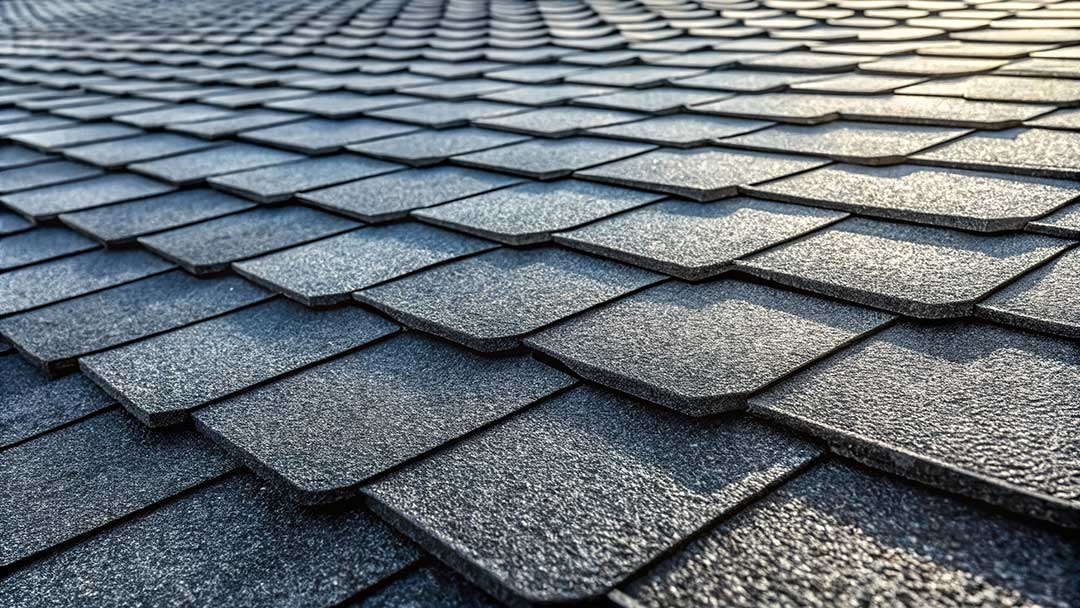
- Homes under heavy tree cover: Inspect and clean once each spring and fall.
- After major wind or rainstorms: Check for sudden debris accumulation.
- Moss or algae-prone areas: Spot-treat whenever green patches appear.
- Before winter: Ensure gutters and valleys are clear to reduce ice dam risks.
A visual check from the ground with binoculars helps identify problems early without needing to climb up frequently.
What Are Common Mistakes to Avoid?
Avoiding these errors helps protect both homeowners and roofs:
- Using harsh chemicals or mixing cleaning products, which can damage shingles and runoff areas.
- Scraping or power-washing aggressively, which loosens granules and weakens roof materials.
- Working alone or under unsafe weather conditions, increasing the risk of accidents.
- Neglecting to clear gutters and downspouts, which causes water backup and potential leaks.
Local regulations may prohibit certain run-off or caustic solutions; confirm with municipal guidelines if using any cleaning agent.
When Is It Necessary to Limit DIY Efforts?
Some situations require extra caution or forgoing home cleaning altogether, such as:
- Mold or mildew that extends into the attic or underlayment, signaling possible internal moisture issues.
- Excessively steep or slippery roof surfaces.
- Fragile roofing materials, such as older slate or cedar shake, which can break underfoot.
- Unfamiliarity with ladder or harness safety.
For homes with challenging access or extensive growth, residents sometimes opt for professional evaluation—but basic, periodic cleaning is manageable for most with proper care and awareness.
Can Routine Cleaning Reduce Roof Repairs?
Routine cleaning is one of the simplest ways for area homeowners to extend the life of their roof and avoid preventable repairs. Removing organic buildup and checking for early signs of damage help prevent leaks, wood rot, and gutter clogs—imperative during rainy springs or snowy winters.
A few minutes invested each season can keep a home’s roof looking clean and functioning well, even through Lewiston’s unique weather swings.
