
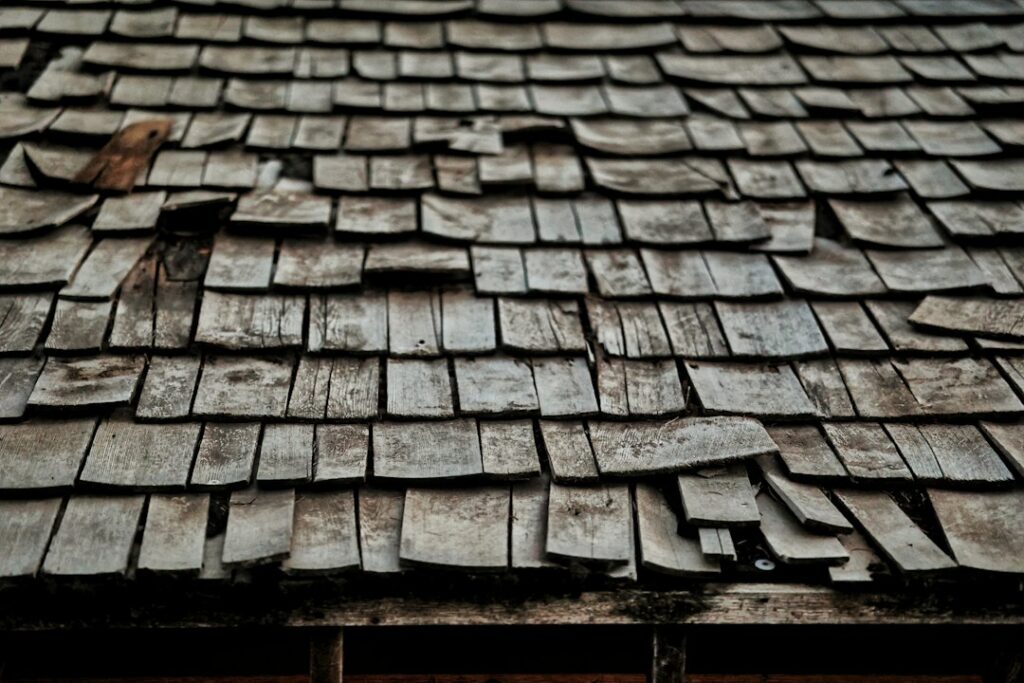
A roof usually does not fail all at once. In many homes, replacement becomes necessary after years of smaller problems—aging shingles, repeated leaks, poor ventilation, or storm damage—gradually reduce the roof’s ability to protect the structure.
For homeowners in Lewiston, NY, seasonal weather is a major consideration. Snow, ice, wind, freeze-thaw cycles, rain, and summer heat can all affect roofing materials. Knowing the difference between an isolated repair and a roof that has reached the end of its useful life can help prevent interior damage and unexpected disruption.
How long does a roof usually last?
An asphalt shingle roof commonly lasts about 15 to 30 years, although the actual service life depends on material quality, installation, attic ventilation, roof slope, sun exposure, maintenance, and weather history.
A roof that is 20 years old may still be performing well, while a younger roof may need major work after severe wind, improper installation, or ongoing moisture problems. The installation date is useful, but it should not be the only factor used to judge condition.
Other roofing materials can have different lifespans. Metal, slate, tile, and some synthetic products may last longer, but they can still develop localized damage, flashing failures, ventilation problems, or leaks. The age of the roofing system should be considered alongside its visible condition.
What are the clearest signs that a roof needs replacement?
The strongest warning signs are widespread damage, repeated leaks, advanced aging, and deterioration that extends beyond a small repair area.
Look for:
- Shingles that are curling, cracking, blistering, or missing
- Large areas where the shingle surface appears worn or uneven
- Excessive granules collecting in gutters or at downspout outlets
- Sagging along the roofline or between structural supports
- Water stains on ceilings, walls, or attic framing
- Daylight visible through the roof deck in the attic
- Damaged or deteriorated flashing around chimneys, vents, skylights, or roof edges
- Moss or algae accompanied by lifting, soft, or decaying roofing materials
- Repeated repairs in the same area
- A roof approaching or exceeding its expected service life
A few loose shingles do not automatically mean the whole roof must be replaced. However, widespread surface wear or problems in several roof sections usually indicate that patching may only delay a larger project.
Does a roof need replacement if it leaks only once?
Not necessarily. A single leak may come from damaged flashing, a blocked drainage path, a puncture, or a small area of storm damage. Those issues can sometimes be repaired without replacing the entire roof.
The more important questions are whether the source can be identified, whether the roof deck or insulation has been affected, and whether similar leaks have happened before. Water can travel along rafters and decking, so the ceiling stain may not be directly below the entry point.
A roof that has leaked repeatedly deserves closer evaluation even if each leak appears minor. Repeated moisture can damage sheathing, insulation, trim, paint, and framing. It can also encourage mold growth in areas that remain damp.
How do snow, ice, and freeze-thaw cycles affect roofing?
Winter conditions can shorten a roof’s service life by increasing stress on shingles, flashing, gutters, and roof edges. Snow itself is not always damaging, but repeated freezing and thawing can expose weaknesses that were not obvious during warmer months.
Ice buildup near roof edges can interfere with drainage and allow water to move beneath roofing materials. Wind can lift weakened shingles, while heavy rain can enter through openings around flashing or roof penetrations. Temperature changes can also cause roofing components to expand and contract at different rates.
After a major storm or a winter with repeated ice and snow events, homeowners should watch for new ceiling stains, damp attic areas, displaced shingles, loose metal flashing, and changes in gutter drainage. A roof may appear intact from the ground while still having damage in less visible areas.
Can moss, algae, or dark streaks mean a roof must be replaced?
Moss, algae, and dark staining do not automatically mean replacement is necessary. Surface growth may be mostly cosmetic, particularly when the roofing materials remain flat, firm, and intact.
Moss can become more serious when it lifts shingles, traps moisture, or grows beneath roofing edges. Aggressive scraping or pressure washing can damage shingle surfaces and remove protective granules. Cleaning methods should be appropriate for the roofing material and should not force water underneath the shingles.
Dark streaks may reflect algae growth rather than structural deterioration. The more meaningful question is whether the shingles are brittle, losing granules, curling, or allowing moisture into the roof system.
What is the difference between roof repair and roof replacement?
A repair is generally more appropriate when damage is limited, the surrounding roofing is in good condition, and the roof still has substantial service life remaining.
Replacement becomes more reasonable when:
- Damage is spread across multiple slopes
- The roof is near the end of its expected lifespan
- Leaks continue after previous repairs
- Shingles are brittle or failing in many locations
- The roof deck is soft, rotted, or water-damaged
- Flashing, ventilation, and underlayment problems affect several areas
- Storm damage is extensive rather than isolated

A patch can solve the immediate opening while leaving older materials nearby vulnerable to the next storm. On an aging roof, repeated small repairs may eventually cost more than addressing the broader condition, especially if water damage is also developing below the surface.
Should a roof be replaced before selling or buying a home?
Not every older roof needs replacement before a home is listed, and not every buyer should assume an older roof is failing. The most useful information is a clear understanding of age, repair history, active leaks, visible damage, and expected remaining service life.
Homeowners considering a sale may benefit from documenting repairs and correcting active water entry. A full replacement may make sense when the roof is clearly failing, but cosmetic improvements alone do not resolve structural or moisture problems.
Prospective buyers should look beyond the age listed in a disclosure. An older roof with sound materials and no signs of leakage may perform better than a newer roof with poor ventilation or installation defects.
What should homeowners check in the attic?
The attic often reveals problems before they become obvious inside living areas. Check during daylight hours for:
- Damp insulation or darkened roof decking
- Water marks around vents, chimneys, and roof valleys
- Musty odors
- Condensation on nails or other cold surfaces
- Mold-like growth
- Compressed or displaced insulation
- Gaps where light enters through the roof deck
- Evidence of animals entering through roof openings
Attic ventilation also matters. Excess heat and moisture can contribute to premature shingle aging, condensation, and wood deterioration. Adding vents without considering the overall airflow pattern may not solve the problem, so ventilation should be evaluated as part of the entire roofing system.
When is a roof problem urgent?
Active water entering a living space, visible sagging, exposed roof decking, major storm damage, or a large opening should be treated as urgent. Water near electrical fixtures presents an additional safety concern.
Until the condition can be addressed safely, move furniture and belongings away from the affected area and place a container beneath active drips if possible. Avoid climbing onto a wet, icy, steep, or damaged roof. Roofing surfaces can become hazardous quickly, particularly during winter weather.
The decision to replace a roof should be based on its overall condition, not on one isolated symptom. Age, material deterioration, leak history, storm exposure, attic conditions, and the condition of the underlying deck all provide a more accurate picture than appearance alone.
