

Why Should Area Homeowners Inspect Their Roofs?
Roof inspections are a proactive way for residents to catch small issues before they become expensive problems, especially in regions like Lewiston, NY where shifting seasons bring heavy snow, rain, and fluctuating temperatures. Regular checks help extend the lifespan of roofing materials and may prevent water damage inside your home.
Frequent freeze-thaw cycles, late-winter ice dams, and wind-driven rain are all common in the region. Roofs here face different pressures than those in milder climates, making inspection a smart routine for local households.
When Is the Best Time to Check Your Roof?
The most practical times to inspect a roof in the area are during early spring and fall, as well as after major storms. Snow and ice can hide problems during winter, while summer's heat sometimes masks developing issues.
- Early spring: Look for damage from winter’s ice and snow.
- Fall: Ensure everything is solid before winter weather returns.
- After severe weather: Check for loose shingles, flashing displacement, or unwanted debris.
Morning or late afternoon are best—strong midday sunlight can obscure details, while dew or rain may make surfaces slippery.
What Signs Point to Roof Problems?
Begin by walking around your home and looking up at the roof. From the ground, you may spot:
- Missing, curled, or cracked shingles
- Sagging rooflines
- Damaged or detached gutters
If safety allows, examine the roof more closely (from a ladder, not standing on the roof itself). Inside the attic or crawl space, check for:
- Damp insulation or visible water stains
- Sunlight showing through boards
- Unpleasant, moldy odors
Even a small sign such as a shingle out of place or new rust on metal flashing can point to a developing issue worth tracking.
How Should Homeowners Inspect Their Roof Safely?
Stay on the ground whenever possible—use binoculars for closer views. If it's safe and you're comfortable, a sturdy ladder may be used to inspect the eaves and gutters. Never attempt to walk on a steep roof or one that is wet, icy, or visibly damaged.
Safety tips:
- Use shoes with good traction and ensure the ladder is stable.
- Work with a partner so someone else knows you're outside.
- Avoid roof inspection during hits of wind, rain, or icy conditions.
Certain situations—including sagging, widespread moss, or structural instability—typically require a qualified professional, not general homeowner inspection.
What Issues Are Most Common in the City?
In regions like Lewiston, the following concerns surface more often:
- Ice dams building up at the eaves, causing shingle damage and leaks
- Wind-lifted shingles, especially after seasonal storms
- Gutters clogged with leaves, twigs, or small branches carried by strong winds
- Flashing around chimneys or vents loosening from repeated freeze-thaw cycles
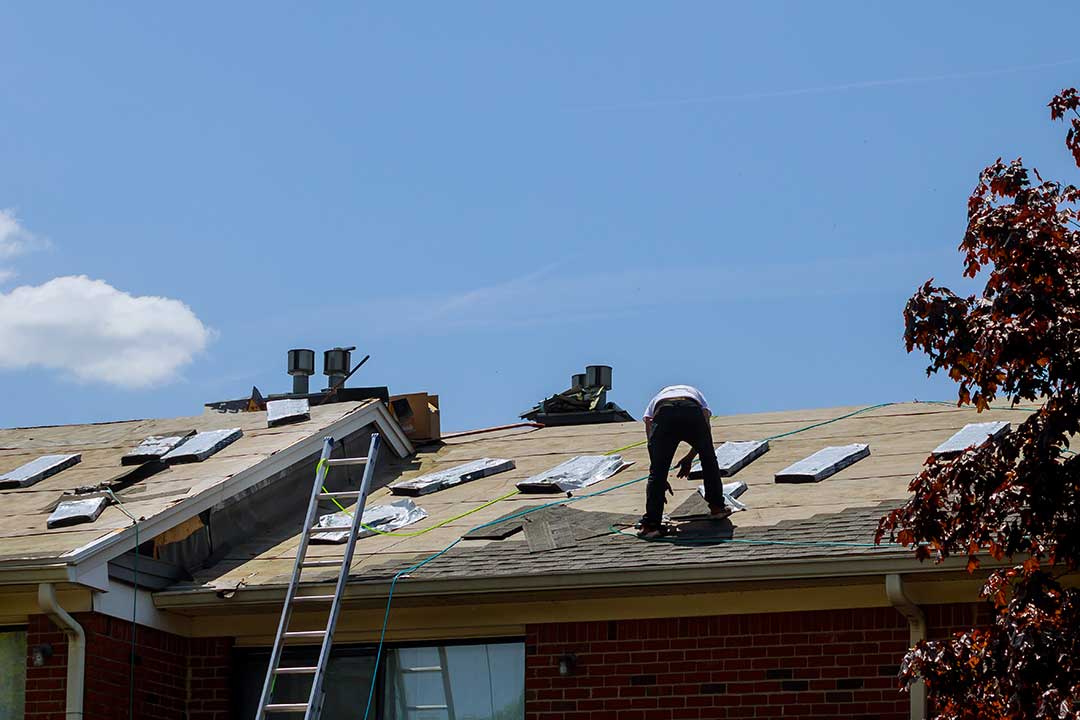
Some residents discover roof ventilation problems, often noticed by condensation or frost in the attic. This tends to increase through late winter and early spring.
What Are Common Misconceptions About Roof Condition?
A frequent myth is that if there are no ceiling leaks, the roof is problem-free. In reality, leaks usually manifest after underlying issues—such as damaged underlayment or loosely attached flashing—have existed for some time.
Other misconceptions include:
- Newer roofs are maintenance-free (minor storm damage or manufacturing defects can occur)
- Moss and algae are only cosmetic (they can trap moisture and accelerate degradation)
- Heavy snowfall always leads to collapse (collapse is rare, but weight can damage shingles if not regularly shed)
What Steps Can Residents Take to Maintain Their Roofs?
Regular, gentle upkeep makes a difference. After a roof inspection, homeowners can:
- Remove debris from gutters and valleys to promote drainage
- Trim tree branches that contact or overhang the roof
- Address minor moss with soft-bristle brushes (avoid pressure washing)
- Reinforce proper attic ventilation to minimize condensation
If small problems are found—like a single missing shingle or a loose gutter strap—addressing them quickly can prevent larger repairs. For any task that feels unsafe, or if structural issues are suspected, specialized support is the responsible approach.
How Does the Local Climate Affect Roof Longevity?
Heavy winter snows, freezing rain, and spring thaws place extra stress on roofs in the community. Materials expand and contract over the year, which can work fasteners loose and crack sealants. Melting snow can lead to ice damming, funneling water under shingles.
The area’s frequent shifts from cold to warmth place unique demands on roofs, making regular visual inspections a habit worth cultivating for all local residents.
